The Great Migration in Masai Mara: when and where to see it
Every year huge herds of wildebeest and zebra move between Tanzania's Serengeti and Kenya's Masai Mara. This guide explains the migration calendar, how Mara River crossings work, where to stay and which airstrip to fly into.
What is the Great Migration?
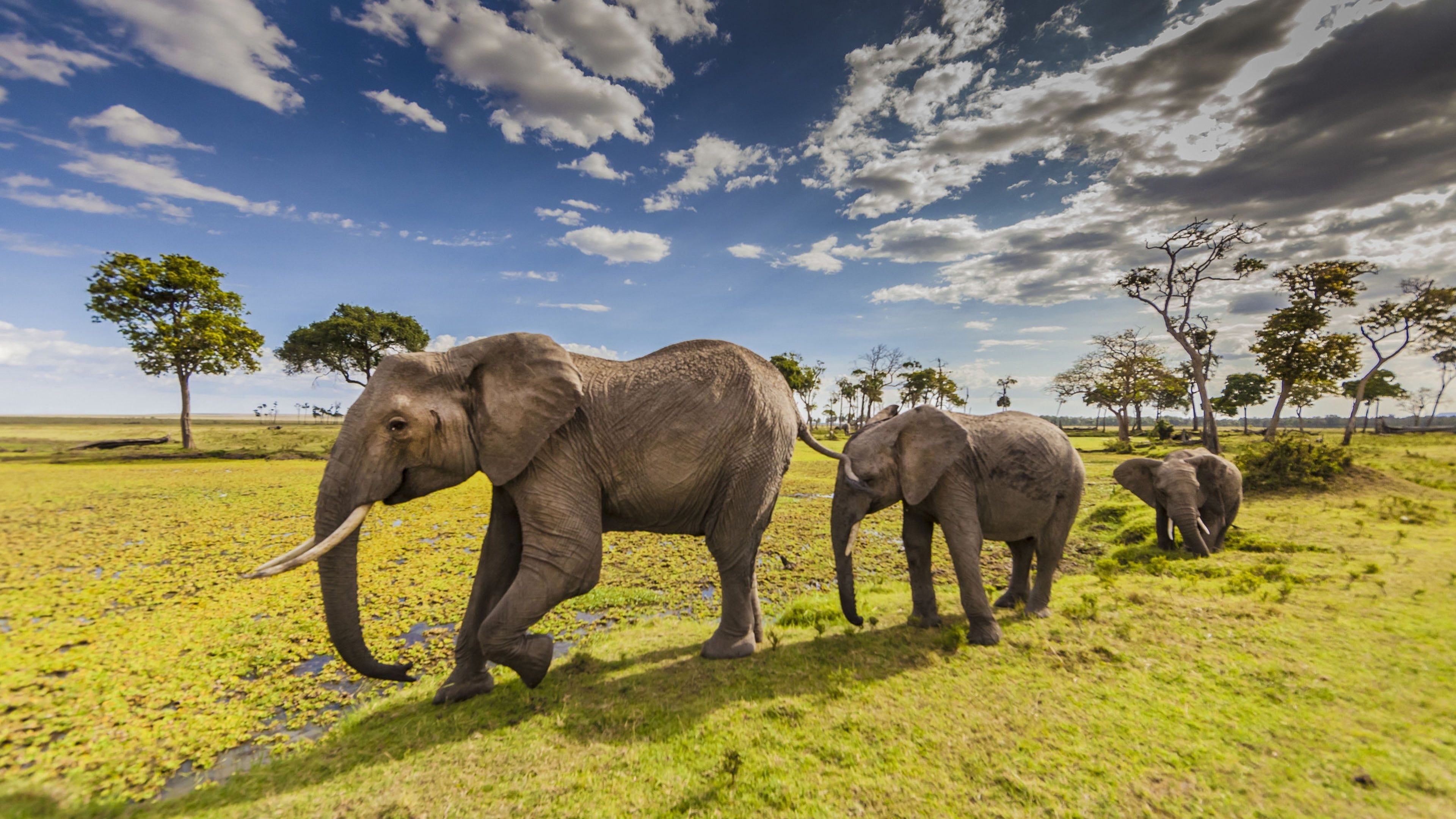
The Great Migration is the year-round movement of more than a million wildebeest, together with large numbers of zebras and gazelles, across the Serengeti–Mara ecosystem. The herds follow the rain and fresh grazing in a loop between Tanzania's Serengeti and Kenya's Masai Mara (officially the Maasai Mara National Reserve). Predators such as lions, leopards, cheetahs, hyenas and crocodiles follow too.
The herds are only in Kenya for part of the year. For the rest of the loop they're in Tanzania. That's why timing matters so much when you plan a migration safari to the Mara.
Great Migration calendar
The pattern below is typical, but rainfall changes it every year. The herds also spread out and split up, so different groups can be weeks apart.
| Months | Where the herds usually are | What happens |
|---|---|---|
| December–March | Southern Serengeti, Tanzania | Calving season, usually peaking around January–February |
| April–May | Moving north and west through the Serengeti | Long rains; herds begin their journey north |
| June | Western Serengeti | Herds gather; crossings of the Grumeti River in Tanzania |
| July–October | Northern Serengeti and the Masai Mara, Kenya | Mara River crossings; herds graze the Mara plains |
| November | Heading back south into Tanzania | Short rains draw the herds towards the southern Serengeti |
For a Kenya-based safari, the main window is July to October, which matches the period Magical Kenya highlights for the Mara. Even outside these months the Mara has plenty of resident wildlife. See our month-by-month guide to the best time to visit Masai Mara.
Mara River crossings
River crossings are the most famous part of the migration. Herds gather on one bank, sometimes for hours or days, before they plunge across while crocodiles wait in the water. Crossings happen at different points along the Mara River and its tributaries, and herds can cross in either direction several times in a season.
- No crossing is guaranteed. Even in peak months a herd may gather and then turn back.
- Patience helps. Guides often wait at a crossing point for long periods, so full-day game drives with a packed lunch are common.
- Respect the rules. Follow your guide and the reserve's rules at crossing points, and give the animals space to cross.
Where to stay and which airstrip to use
Your camp's location decides which airstrip you fly to. During the migration, these areas are popular:
| Area | Why it's popular | Typical airstrip |
|---|---|---|
| Mara Triangle | West of the Mara River, with several well-known crossing points | Mara Serena airstrip |
| Escarpment above the Triangle | Views over the plains where herds gather | Angama airfield (Angama Mara guests) |
| Central reserve and Talek | Good access to different parts of the reserve | Ol Kiombo airstrip |
| Southeastern reserve | Open plains near the Tanzanian border | Keekorok airstrip |
| Naboisho Conservancy | Fewer vehicles and more exclusive sightings | Ol Seki airstrip |
Always confirm the airstrip with your camp before you book. When you're ready, our page on Maasai Mara migration flights explains how to book seats for the season.
Tips for planning a migration safari
- Stay three nights or more. Herd movements are unpredictable, and a longer stay gives your guide more chances to find a crossing.
- Book early. July to October is the busiest time for both camps and flights.
- Consider two camps. Splitting your stay between the Mara Triangle and a conservancy gives you two very different experiences.
- Plan your camera kit. Long lenses are heavy. Our safari flight baggage guide explains how to fit equipment within the allowance.
- Charter for groups. Photography groups and families often choose a private charter so they can fly at times that suit their game drives.
Great Migration in Masai Mara: FAQs
General travel guidance is marked as such. FlyAirVan policies quoted here come from the website and should be confirmed for your booking.
When is the Great Migration in Masai Mara?
Usually from about July to October, when the herds move north from Tanzania into the Mara. Timing varies each year with rainfall.
When do the Mara River crossings happen?
Crossings usually take place while the herds are in the northern Serengeti and Masai Mara, roughly July to October. They are unpredictable, and no crossing can be guaranteed on a given day.
Where is the best place to see the migration in Masai Mara?
Areas along the Mara River, including the Mara Triangle, are popular for crossings. The central reserve and nearby conservancies also see large herds. Your camp's guides follow the herds daily.
Which airstrip should I fly to for the migration?
It depends on your camp. Mara Triangle camps often use Mara Serena airstrip; central reserve camps often use Ol Kiombo. Confirm with your lodge before booking.
How many days do I need to see the migration?
At least three nights is a good minimum, so your guide has several chances to find herds and crossings.
Can I see the migration outside July to October?
The herds are usually in Tanzania for the rest of the year, but the Mara's resident wildlife is excellent year-round.
Fly in for the migration
Migration months are the busiest of the year. Confirm your camp, then check flights to its airstrip or ask reservations to help with dates.
More Masai Mara flight guides
Sources and planning references
- Magical Kenya (Kenya Tourism Board): The Great Migration.
- Maasai Mara airstrips overview: masaimara.travel.
- FlyAirVan: destinations, fleet, baggage policy and terms and conditions (reviewed November 2026).